
Toxic Avenger of Cobra: The Sludge-Fueled Rise of Cesspool
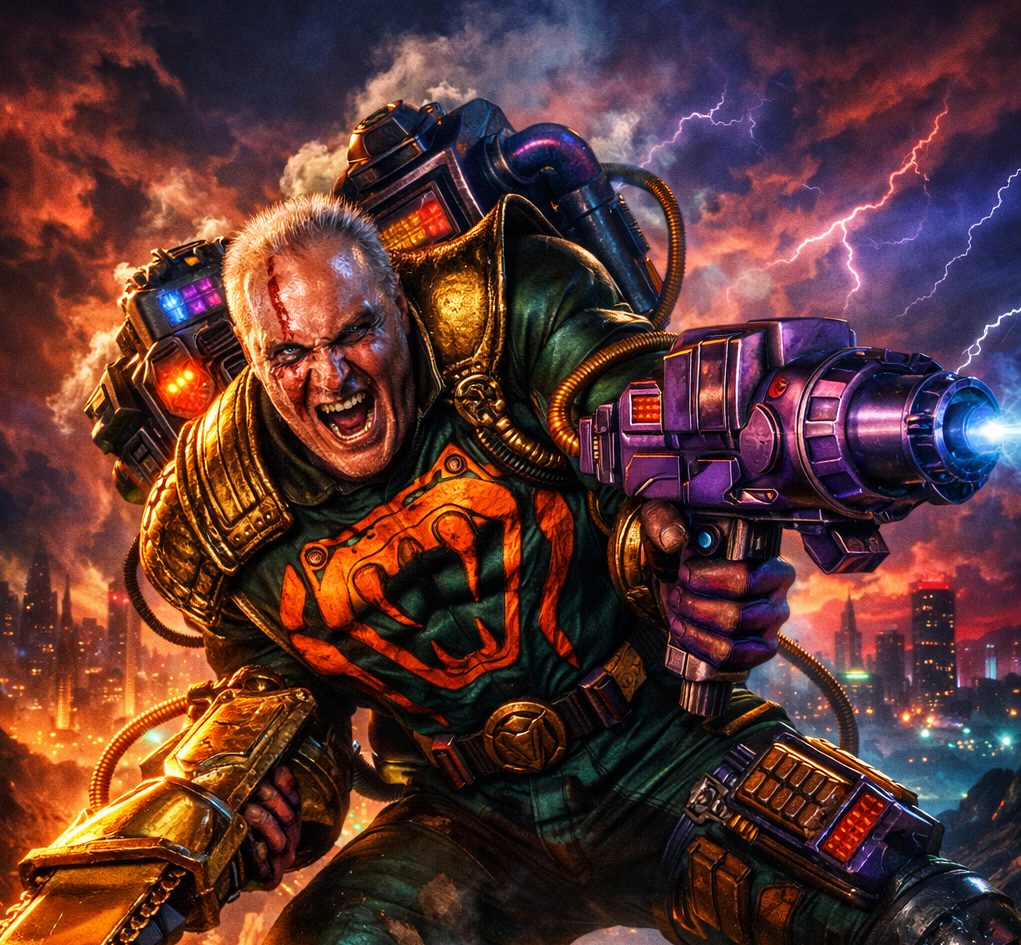
If ever there were a villain who looked like he crawled straight out of a leaking oil drum, it’s Cesspool. Introduced in the early 1990s during G.I. Joe’s eco-themed era, Cesspool wasn’t just another masked bad guy — he was environmental disaster personified, wrapped in a business suit and armed with corporate greed.
Released in 1991 as part of Hasbro’s Eco-Warriors sub-line, Cesspool represented a different kind of threat. The Cold War was winding down, and pop culture villains were shifting from shadowy foreign agents to corporate polluters and environmental criminals. Hasbro leaned into that fear, creating a character who wasn’t just evil for ideology or world domination — he was evil for profit.
And business was booming.
Unlike many members of Cobra who wore elaborate military uniforms, Cesspool sported a green business suit complete with giant orange cobra and garish gold trims. But the real nightmare was his face: grotesquely scarred, melted by toxic chemicals from an industrial accident. Rather than turning over a new leaf, he doubled down on pollution, becoming a walking embodiment of industrial corruption. If the 1980s gave us chrome-plated villains, the ’90s gave us radioactive executives.
His backstory paints him as a ruthless corporate magnate who viewed environmental regulations as obstacles to profit margins. After being disfigured in a chemical spill of his own making, he didn’t seek redemption — he sought revenge. Teaming with Cobra allowed him to weaponize waste itself, using toxic sludge as both symbol and strategy.
In the Marvel Comics run written by Larry Hama, Cesspool appeared as part of the broader Cobra machine, though he never quite reached the prominence of heavy hitters like Destro or Baroness. Still, his presence reflected the era’s anxieties. Pollution, acid rain, oil spills — these were real-world concerns, and Cesspool exaggerated them into comic-book horror.
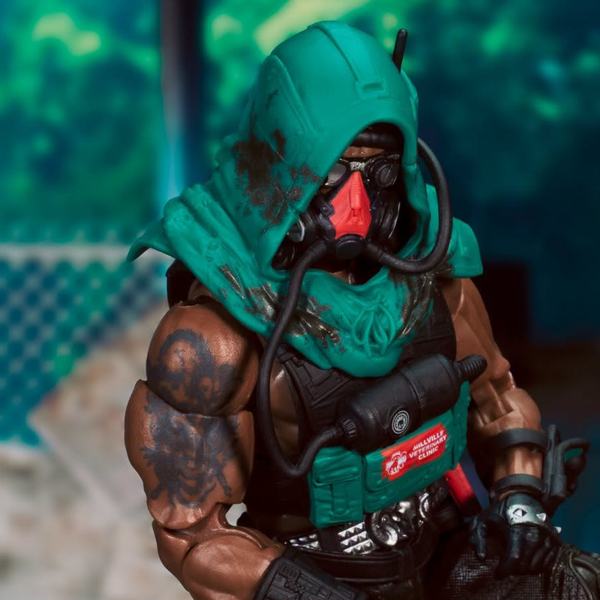
The action figure itself was pure early-’90s excess. Bright colors, slime gimmicks, and exaggerated features defined the toy. Some collectors dismiss the Eco-Warriors era as over-the-top, but others appreciate it as a bold swing — a time when G.I. Joe experimented with new themes rather than recycling old ones. Love it or hate it, Cesspool stands out on any display shelf.
What makes Cesspool fascinating isn’t battlefield prowess — it’s symbolism. He’s not a soldier first; he’s a CEO gone toxic. In many ways, that makes him more unsettling than a masked terrorist commander. He represents damage done not in secret bunkers, but in boardrooms.
While he may not headline Cobra’s greatest hits, Cesspool remains a uniquely ’90s villain — a fluorescent reminder that sometimes the most dangerous weapon isn’t a laser rifle.
It’s unchecked greed.


That’s a really interesting angle on Cesspool. It’s funny to think about him being a product of the early 90s focusing on environmental issues.